
Latvian Prime Minister Evika Siliņa and Estonian President Alar Karis, in separate interviews with Euronews at the World Governments Summit in Dubai, advocated for the appointment of a special EU envoy to participate in negotiations with Russia regarding Ukraine. They suggested that the diplomat should be a "consensus figure" and work based on consultations with Ukraine.
Siliņa emphasized that "we need to engage in diplomacy" and "one must always talk," while maintaining that the EU should keep sanctions and the isolation of Russia in place. "We must be at the negotiating table because the Ukrainians themselves have started negotiations. So why shouldn't Europeans negotiate?" she stated.
Alar Karis pointed out that the EU is late with the initiative and should be more visible in the negotiation process, though he did not name specific candidates. He believes the envoy should come from a major European country and hold authority with the parties involved.
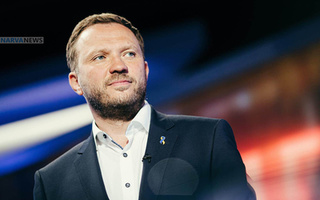
Estonian Foreign Minister Margus Tsahkna (Eesti 200) sharply criticized the idea, calling attempts to "start a dialogue with the Kremlin" dangerous and contradictory to the current policy of pressure and isolation of Russia. In a press release, he stated that negotiations now would only "give Putin the spotlight he craves" and allow him to "put forward new demands aimed at weakening European security."
In a publication by ERR.ee, the Estonian Ministry of Foreign Affairs also stressed that "as long as Russia has not changed its actions and goals in its aggression against Ukraine, it is impossible to conduct negotiations with it, and it should not be offered a way out of isolation."
The idea of appointing a special representative was supported by France and Italy, with French President Emmanuel Macron stating that work on this "has already begun at a technical level." Opponents remain among EU countries: Germany rejects direct negotiations, citing Putin's "maximalist demands" and the ongoing shelling of Ukrainian cities, which, in Berlin's view, indicates "the Kremlin's unreadiness for negotiations."
Urmas Paet, Vice-Chair of the European Parliament’s Committee on Foreign Affairs, stated that the EU already possesses a channel of communication with Russia through its representation in Moscow and that "the EU does not need an additional special representative in the current situation."
According to Narva News, Estonia and the Baltic states are actively discussing pressure measures against Russia, including Western sanctions and entry restrictions for Russian military personnel into the Schengen area, reflecting growing concerns about the security of the EU and NATO's eastern flank.
Prior to the start of a broad process of direct negotiations, the European Union had not participated directly in peace talks regarding Ukraine after February 2022 and was represented indirectly through US-led processes. Now, individual EU leaders are taking steps toward Europe having a direct role at the negotiating table—a move that many European capitals previously considered premature.
Earlier, on May 25, 2024, in an interview with the Finnish publication YLE, Estonian President Alar Karis stated: "We will do everything in our power to bring Russia and Putin to their knees."



Comments
0Add a comment